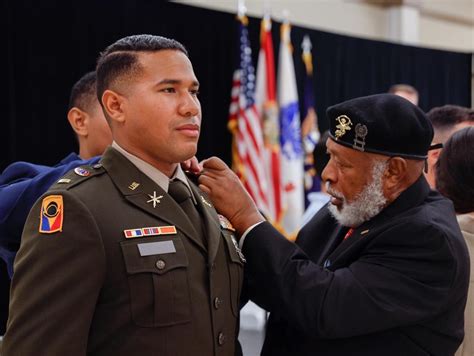
Reserve Officer Candidate School (ROTC) is a rigorous and demanding program designed to transform civilians into competent and confident military officers. Whether you're preparing for the Army, Navy, Air Force, or Marine Corps ROTC, success requires dedication, discipline, and strategic planning. This article provides 7 essential tips to help you excel in Reserve Officer Candidate School, backed by real-world insights and expert advice.
1. Master the Physical Fitness Standards
Physical fitness is a cornerstone of ROTC success. Each branch has specific fitness standards, such as the Army Combat Fitness Test (ACFT) or the Marine Corps Physical Fitness Test (PFT). Begin training months in advance to build endurance, strength, and agility. Incorporate high-intensity interval training (HIIT), strength conditioning, and cardio into your routine. For example, the ACFT requires mastery of deadlifts, sprint-drag-carry, and plank holds, so focus on exercises that target these areas.
Sample Fitness Metrics for ACFT
| Event | Minimum Score | Maximum Score |
|---|---|---|
| Deadlift | 140 lbs | 340 lbs |
| Sprint-Drag-Carry | 1:35 | 1:00 |
| Plank | 1:20 | 3:20 |
2. Develop Time Management Skills
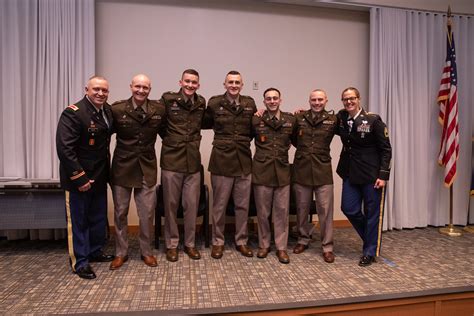
ROTC demands a balance between academics, military training, and personal life. Effective time management is critical to avoid burnout. Use tools like the Pomodoro Technique or digital planners to allocate time for studying, physical training, and leadership activities. Prioritize tasks based on urgency and importance, and don’t hesitate to delegate when possible. For instance, if you’re leading a squad, assign responsibilities to team members to focus on strategic planning.
3. Embrace Leadership Development
Leadership is at the heart of ROTC. Demonstrate proactive leadership by taking initiative, communicating clearly, and leading by example. Participate in Leadership Labs (LLABs) and seek feedback from superiors and peers. Study military leadership principles, such as the Be-Know-Do framework, and apply them in real-world scenarios. For example, during field exercises, volunteer to lead a team through obstacle courses or tactical maneuvers.
Key Leadership Traits to Cultivate
- Decisiveness
- Resilience
- Empathy
- Adaptability
4. Study Military Knowledge and Tactics
A solid understanding of military doctrine is essential for ROTC success. Familiarize yourself with publications like FM 7-22 (Army Leadership) or MCWP 6-11 (Leading Marines). Learn basic tactics, such as land navigation, patrol operations, and communications. Practice using military maps and compasses to navigate terrain during field exercises. This knowledge will not only help you pass exams but also build confidence in your abilities.
5. Build Mental Resilience
ROTC is as mentally challenging as it is physically demanding. Develop mental resilience by practicing stress management techniques, such as mindfulness, meditation, or journaling. Learn to stay calm under pressure and maintain a positive attitude, even during difficult training exercises. For example, during a 24-hour field exercise with minimal sleep, focus on breaking tasks into manageable steps and supporting your teammates.
Strategies for Mental Resilience
- Set realistic goals and celebrate small victories.
- Maintain a growth mindset by viewing challenges as opportunities.
- Seek support from peers, mentors, or mental health professionals when needed.
6. Network and Build Relationships
Building a strong network is crucial for ROTC success and future military career advancement. Connect with fellow cadets, instructors, and active-duty officers to gain mentorship and insights. Attend social events, professional development workshops, and military conferences to expand your network. For example, joining the Association of the United States Army (AUSA) or similar organizations can provide valuable connections and resources.
7. Stay Committed to the Mission
ROTC is a long-term commitment that requires unwavering dedication. Remind yourself of your goals and the values you’re upholding, such as duty, honor, and country. Stay motivated by visualizing your future as a military officer and the impact you’ll have on your unit and nation. For instance, write a personal mission statement and revisit it during challenging times to reaffirm your purpose.
How can I prepare for ROTC before starting the program?
+
Begin by improving your physical fitness, studying military basics, and networking with current ROTC cadets or military personnel. Familiarize yourself with the program’s expectations and requirements.
What should I do if I struggle with a specific aspect of ROTC?
+
Seek help from instructors, peers, or mentors. Break the challenge into smaller tasks and focus on gradual improvement. Don’t hesitate to utilize available resources, such as tutoring or fitness coaching.
How important is academics in ROTC?
+
Academics are crucial, as maintaining a high GPA is often a requirement for scholarship retention and commissioning. Balance your military training with effective study habits to excel in both areas.
