
Military training programs are designed to be rigorous, demanding, and comprehensive, preparing individuals for the challenges they will face in service. However, with the right strategies, it is possible to expedite the training process without compromising the quality of preparation. Whether you are a recruit, an officer candidate, or a seasoned service member looking to advance, these five methods can help you streamline your military training program, ensuring you are mission-ready in the shortest time possible.
1. Leverage Technology and Simulation Tools
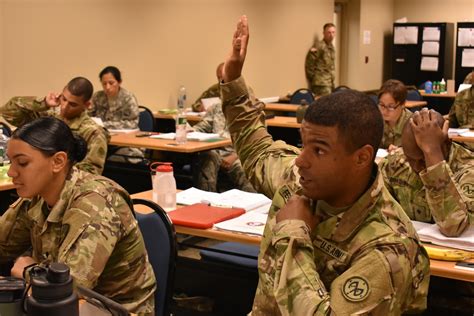
The integration of advanced technology and simulation tools into military training has revolutionized the way skills are acquired and honed. Virtual reality (VR), augmented reality (AR), and computer-based simulations provide a risk-free environment to practice complex scenarios, from combat situations to logistical operations. These tools allow trainees to gain hands-on experience and make mistakes without real-world consequences, accelerating the learning curve.
Key Benefits of Simulation Tools
Simulation tools offer several advantages, including:
- Repetition and Consistency: Trainees can repeat exercises until mastery is achieved.
- Safety: Reduces the risk of injury during high-risk training.
- Cost-Effectiveness: Saves on resources such as ammunition and equipment.
- Customizability: Scenarios can be tailored to specific training needs.
2. Adopt a Structured and Progressive Training Plan
A well-structured training plan is essential for expediting military training. This plan should be progressive, building on previously learned skills and gradually increasing in complexity. A structured approach ensures that trainees are not overwhelmed and can focus on mastering one skill at a time before moving on to the next.
Components of a Progressive Training Plan
A progressive training plan typically includes:
- Assessment: Initial evaluation to identify strengths and weaknesses.
- Goal Setting: Clear, achievable objectives for each training phase.
- Modular Training: Breaking down complex tasks into manageable modules.
- Feedback Mechanisms: Regular feedback to track progress and make adjustments.
- Milestone Evaluation: Periodic assessments to ensure readiness for the next phase.
| Training Phase | Duration | Focus Area |
|---|---|---|
| Basic Training | 8 Weeks | Physical Fitness, Discipline |
| Specialized Skills | 12 Weeks | Technical Proficiency, Teamwork |
| Advanced Operations | 16 Weeks | Leadership, Strategic Planning |
3. Enhance Physical and Mental Conditioning
Physical and mental fitness are cornerstones of military readiness. A comprehensive conditioning program that addresses both aspects can significantly expedite training. Physical conditioning improves endurance, strength, and agility, while mental conditioning enhances focus, resilience, and decision-making under stress.
Strategies for Enhanced Conditioning
Effective strategies include:
- High-Intensity Interval Training (HIIT): Maximizes physical fitness gains in minimal time.
- Mindfulness and Meditation: Improves mental clarity and stress management.
- Nutritional Optimization: Supports physical recovery and cognitive function.
- Sleep Hygiene: Ensures adequate rest for optimal performance.
4. Foster a Culture of Teamwork and Collaboration
Military operations rely heavily on teamwork and collaboration. Fostering a culture that values these principles can expedite training by encouraging mutual support, knowledge sharing, and collective problem-solving. When trainees work together effectively, they can achieve more in less time and develop stronger camaraderie.
Ways to Promote Teamwork
Effective methods to promote teamwork include:
- Group Exercises: Regular team-based drills and simulations.
- Leadership Rotation: Allowing different team members to take on leadership roles.
- Debrief Sessions: Post-exercise reviews to discuss successes and areas for improvement.
- Mentorship Programs: Pairing experienced personnel with new recruits for guidance.
5. Utilize Data-Driven Performance Analysis
Data-driven performance analysis involves using metrics and analytics to track progress, identify areas of improvement, and tailor training programs to individual needs. This approach ensures that training efforts are focused and efficient, leading to faster skill acquisition and readiness.
Key Metrics for Performance Analysis
Important metrics to track include:
- Physical Fitness Scores: Endurance, strength, and agility benchmarks.
- Skill Proficiency: Mastery levels for technical and tactical skills.
- Reaction Time: Speed and accuracy in decision-making.
- Team Performance: Cohesion and effectiveness in group tasks.
| Metric | Baseline | Target | Current Performance |
|---|---|---|---|
| Endurance (Miles) | 2 | 5 | 3.5 |
| Reaction Time (Seconds) | 1.5 | 1 | 1.2 |
| Skill Proficiency (%) | 60 | 90 | 75 |
How can technology expedite military training?
+Technology, such as VR and AR simulations, provides a safe and controlled environment for trainees to practice and master skills, reducing the time needed for hands-on training and minimizing risks.
What role does physical conditioning play in expediting training?
+Physical conditioning improves endurance, strength, and agility, enabling trainees to handle the demands of rigorous training more effectively and progress faster through the program.
Why is teamwork important in military training?
+Teamwork fosters mutual support, knowledge sharing, and collective problem-solving, which are essential for efficient training and mission success in military operations.
How can data-driven analysis improve training programs?
+Data-driven analysis helps identify areas of improvement, track progress, and tailor training to individual needs, ensuring focused and efficient skill acquisition.
What is the significance of a progressive training plan?
+A progressive training plan ensures a structured and gradual increase in complexity, allowing trainees to build on previously learned skills and avoid overwhelm, leading to faster mastery.
