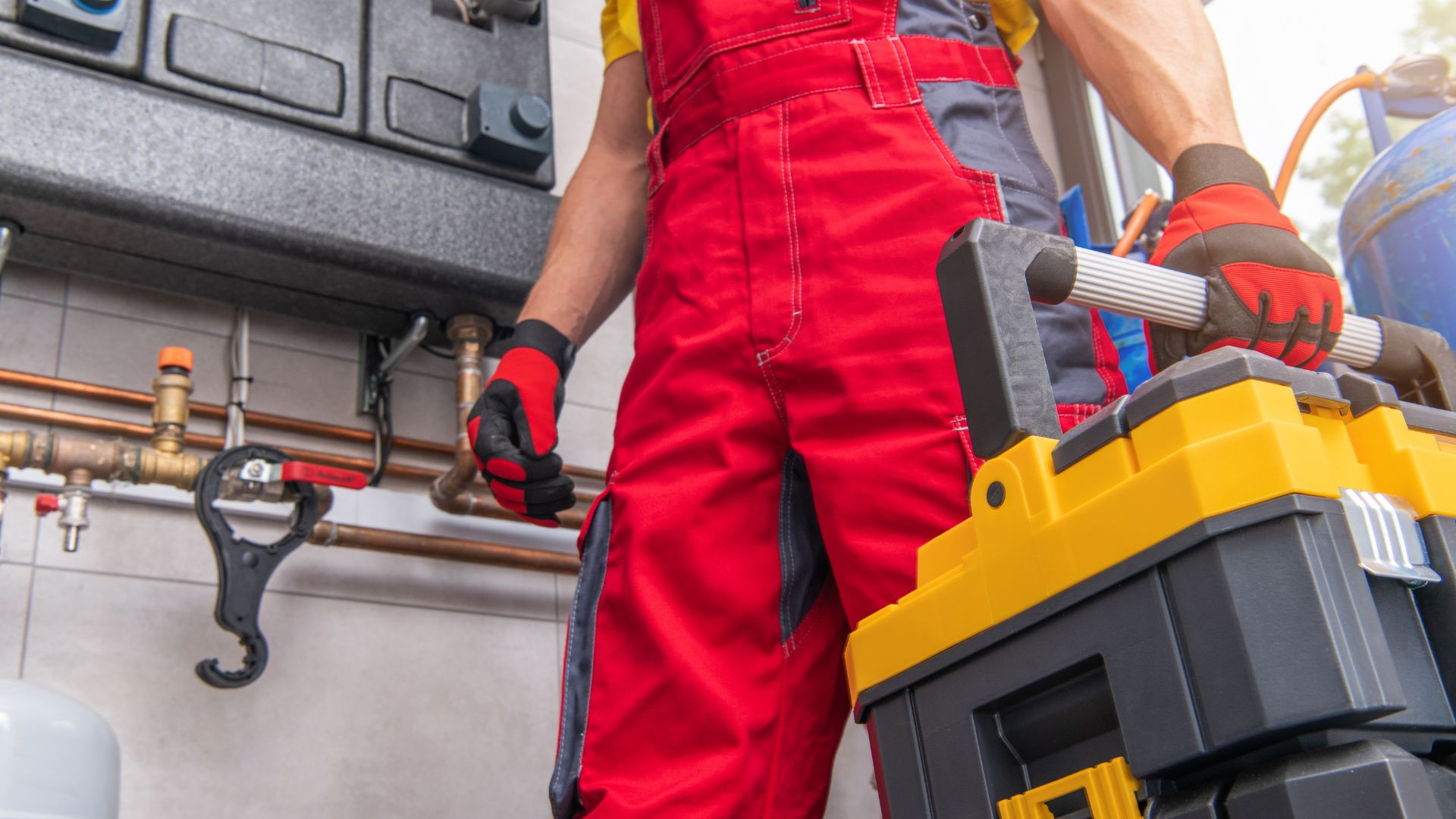
When it comes to maintaining or installing a heating, ventilation, and air conditioning (HVAC) system, choosing the right contractor is crucial. A skilled and reliable HVAC contractor ensures your system operates efficiently, saving you money on energy bills and preventing costly repairs. However, with numerous options available, selecting the best professional can be daunting. Below are five essential tips to guide you in choosing the best HVAC contractor for your needs.
1. Verify Licensing and Certifications
One of the most critical steps in selecting an HVAC contractor is verifying their licensing and certifications. A licensed contractor has met the state’s requirements for training and expertise, ensuring they have the necessary skills to handle HVAC systems. Additionally, certifications from organizations like North American Technician Excellence (NATE) or the Environmental Protection Agency (EPA) indicate a higher level of professionalism and knowledge in the field. Always ask for proof of these credentials before hiring a contractor.
2. Check for Insurance and Bonding

Hiring an HVAC contractor without proper insurance and bonding can expose you to significant financial risks. Insurance protects you in case of accidents or damages during the job, while bonding ensures you are compensated if the contractor fails to complete the work as agreed. Before signing any contract, request proof of both general liability insurance and workers’ compensation insurance. A bonded contractor provides an added layer of security, demonstrating their commitment to delivering quality work.
3. Evaluate Experience and Reputation
Experience and reputation are key indicators of a contractor’s reliability. Look for HVAC contractors with several years of experience in the industry, as they are more likely to handle complex issues efficiently. Check online reviews and testimonials on platforms like Google, Yelp, or the Better Business Bureau (BBB) to gauge their reputation. Additionally, ask for references from past clients to get firsthand feedback on their workmanship and customer service.
Key Factors to Consider:
- Years in Business: Longer-established companies often have a proven track record.
- Customer Reviews: Consistently positive feedback is a good sign.
- Specializations: Some contractors specialize in specific systems, such as heat pumps or ductless mini-splits.
4. Request Detailed Estimates
Obtaining detailed estimates from multiple contractors allows you to compare costs and services effectively. A comprehensive estimate should include labor costs, materials, timelines, and any potential additional fees. Be wary of significantly lower bids, as they may indicate subpar materials or workmanship. A transparent and detailed estimate reflects the contractor’s professionalism and helps you avoid unexpected expenses.
| Estimate Component | Details to Look For |
|---|---|
| Labor Costs | Hourly rates or fixed labor fees |
| Materials | Brand names and quality of components |
| Timeline | Start and completion dates |
| Warranties | Coverage for parts and labor |
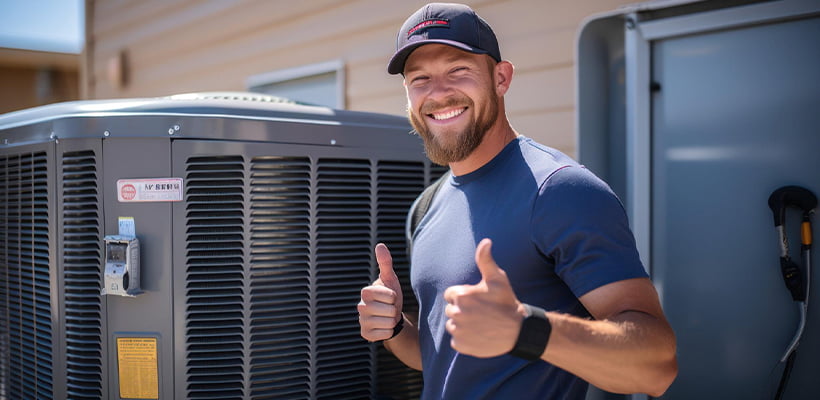
5. Assess Communication and Customer Service
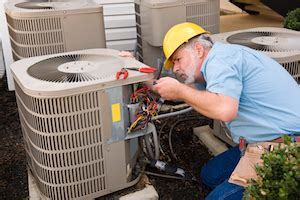
Effective communication and customer service are vital for a smooth HVAC project. A reliable contractor should be responsive, clear, and willing to answer your questions. During initial consultations, pay attention to how they explain technical details and whether they listen to your concerns. A contractor who prioritizes your needs and provides regular updates throughout the project is more likely to deliver satisfactory results.
How do I know if an HVAC contractor is licensed?
+You can verify a contractor’s license by checking with your state’s licensing board or asking the contractor to provide proof of their credentials.
Why is insurance important when hiring an HVAC contractor?
+Insurance protects you from liability in case of accidents, injuries, or damages that occur during the HVAC installation or repair process.
What should I look for in an HVAC estimate?
+A detailed estimate should include labor costs, material costs, timelines, warranties, and any potential additional fees.
How can I check an HVAC contractor’s reputation?
+Check online reviews on platforms like Google, Yelp, or the Better Business Bureau, and ask for references from past clients.
What questions should I ask during an initial consultation?
+Ask about their experience, licensing, insurance, warranties, and how they handle emergencies or unexpected issues.
