
In today's rapidly evolving business landscape, organizations must adapt to stay competitive. Change management, a structured approach to transitioning individuals, teams, and organizations from a current state to a desired future state, has become a critical competency. High-quality change management ensures that transformations are executed smoothly, with minimal disruption, and maximum employee engagement. This article delves into the principles, strategies, and best practices for mastering change management, backed by real-world examples and industry insights.
The Foundations of High-Quality Change Management
Effective change management begins with a clear understanding of its core principles. Prosci’s ADKAR model (Awareness, Desire, Knowledge, Ability, Reinforcement) is a widely adopted framework that emphasizes the importance of addressing individual and organizational needs during transitions. Similarly, John Kotter’s 8-Step Change Model provides a structured approach to driving organizational change, focusing on creating a sense of urgency, building a guiding coalition, and sustaining momentum.
Key Components of Successful Change Management
To achieve high-quality change management, organizations must focus on several key components:
- Clear Vision and Objectives: Define the purpose and expected outcomes of the change initiative.
- Stakeholder Engagement: Identify and involve key stakeholders early in the process to ensure buy-in and support.
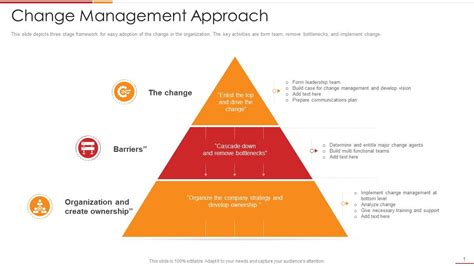
- Effective Communication: Develop a comprehensive communication plan to keep all levels of the organization informed and engaged.
- Training and Support: Provide employees with the necessary skills and resources to adapt to new processes or technologies.
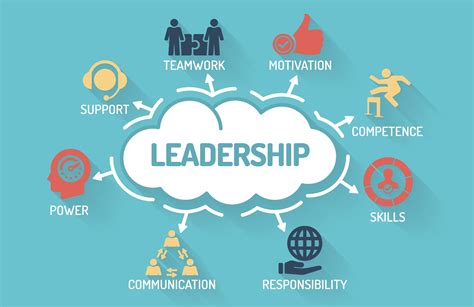
- Change Leadership: Assign change champions to guide and motivate teams throughout the transition.
Strategies for Implementing High-Quality Change Management

Implementing change management requires a strategic approach tailored to the organization’s unique context. Below are actionable strategies to ensure success:
1. Conduct a Change Impact Assessment
Before initiating any change, conduct a thorough impact assessment to identify potential risks, challenges, and opportunities. This involves analyzing the scope of the change, its effects on different departments, and the resources required for implementation. Tools like change impact matrices can help prioritize areas that need immediate attention.
2. Foster a Culture of Agility
Building a culture that embraces change is essential for long-term success. Encourage continuous learning, experimentation, and feedback loops within the organization. Agile methodologies, often associated with software development, can be adapted to other business areas to promote flexibility and responsiveness.
3. Leverage Technology for Change Enablement
Technology plays a pivotal role in facilitating change. Tools like project management software, collaboration platforms, and data analytics can streamline processes and provide real-time insights. For example, Microsoft Power Platform enables organizations to automate workflows and build custom solutions to support change initiatives.
| Technology Tool | Application in Change Management |
|---|---|
| Project Management Software (e.g., Asana) | Tracks progress and assigns tasks during change initiatives |
| Collaboration Platforms (e.g., Slack) | Facilitates communication and engagement among teams |
| Data Analytics Tools (e.g., Tableau) | Provides insights to measure the impact of change |
4. Measure and Sustain Change
Effective change management doesn’t end with implementation. Organizations must measure the success of change initiatives and ensure sustainability. Key performance indicators (KPIs) such as employee adoption rates, process efficiency, and financial impact can help evaluate outcomes. Additionally, reinforcement mechanisms, such as recognition programs and ongoing training, are crucial for maintaining momentum.
Real-World Examples of Successful Change Management
Examining real-world examples provides valuable insights into the application of high-quality change management principles. Below are two notable case studies:
Case Study 1: Microsoft’s Cultural Transformation
Under CEO Satya Nadella, Microsoft underwent a significant cultural transformation, shifting from a competitive internal environment to a collaborative, growth-minded culture. Nadella emphasized the importance of empathy and learning, encouraging employees to embrace change and innovation. This shift led to increased employee satisfaction and significant business growth, with Microsoft’s market cap surpassing $2 trillion in 2021.
Case Study 2: Unilever’s Sustainable Living Plan
Unilever’s Sustainable Living Plan is a prime example of integrating change management into a broader strategic initiative. The plan aimed to decouple the company’s growth from its environmental footprint while improving health and well-being. By engaging stakeholders, setting clear goals, and measuring progress, Unilever achieved significant milestones, including reducing CO2 emissions by 50% and improving the livelihoods of millions of people.
Future Implications of High-Quality Change Management
As businesses continue to navigate uncertainty, the importance of high-quality change management will only grow. Emerging trends such as digital transformation, remote work, and sustainability will require organizations to adapt quickly and effectively. Investing in change management capabilities today will position businesses to thrive in the future.
What is the first step in implementing a change management strategy?
+The first step is to define a clear vision and objectives for the change initiative. This involves identifying the purpose of the change, expected outcomes, and key stakeholders.
How can organizations measure the success of change management initiatives?
+Success can be measured using key performance indicators (KPIs) such as employee adoption rates, process efficiency, financial impact, and stakeholder satisfaction.
What role does leadership play in change management?
+Leadership plays a critical role in driving change by providing direction, fostering a culture of agility, and ensuring that employees are engaged and supported throughout the transition.
How can technology support change management efforts?
+Technology can streamline processes, facilitate communication, and provide data-driven insights to support change initiatives. Tools like project management software and collaboration platforms are particularly useful.
What are common challenges in change management, and how can they be overcome?
+Common challenges include resistance to change, poor communication, and lack of stakeholder buy-in. These can be overcome through early engagement, clear communication, and providing adequate training and support.
