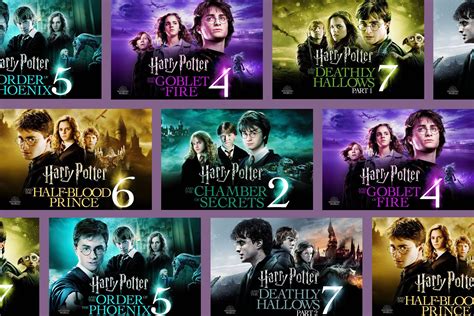
The Harry Potter film franchise is a legendary series that has captivated audiences worldwide for over two decades. With a magical world created by author J.K. Rowling, the films brought the beloved characters and their adventures to life, leaving an indelible mark on popular culture. This article delves into the magic of Harry Potter at the movies, exploring the journey of the film series, its impact, and the secrets behind its success.
A Magical Journey Begins: The Harry Potter Film Series
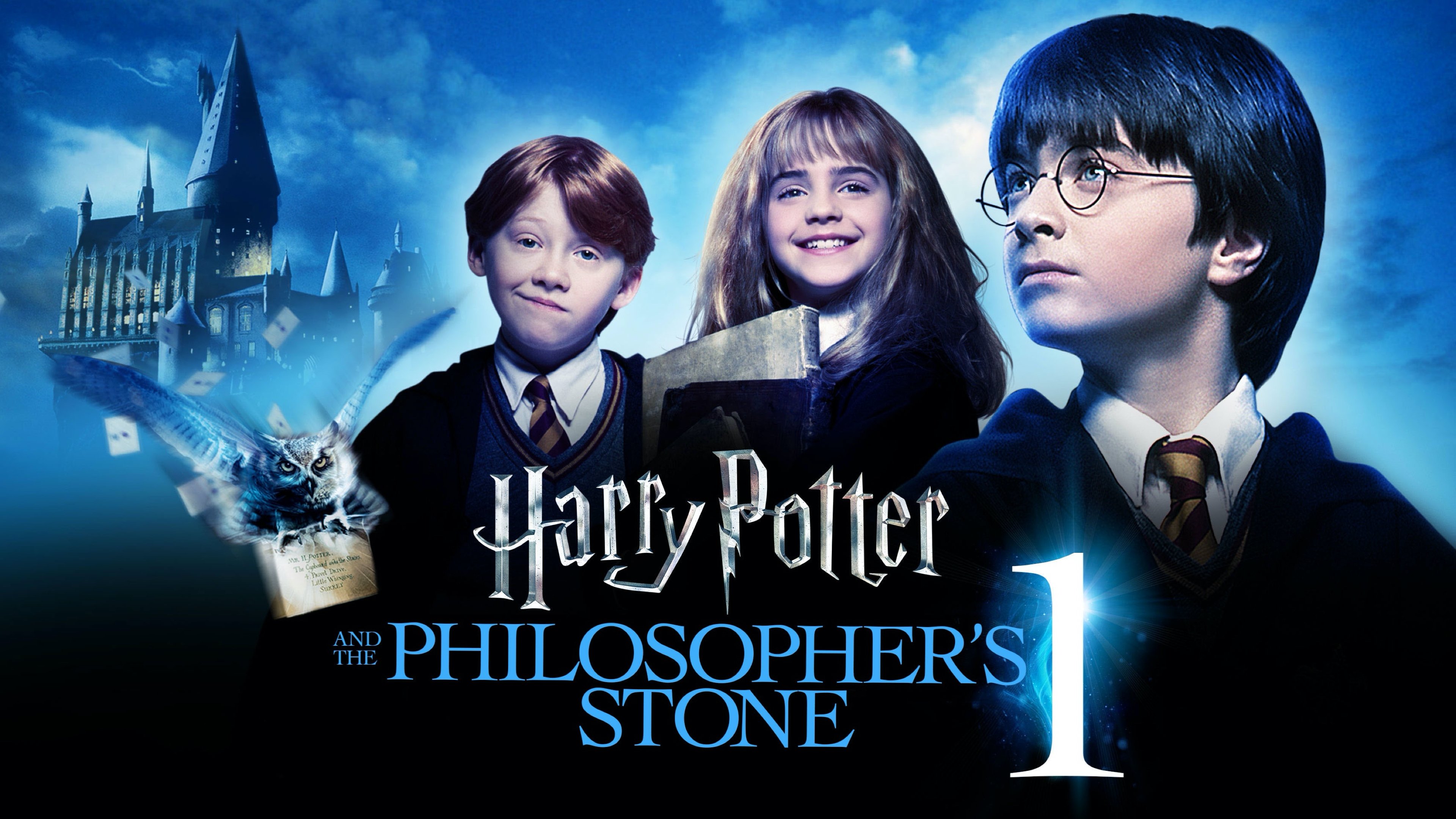
In the year 2001, the first Harry Potter film, Harry Potter and the Sorcerer’s Stone (known internationally as Harry Potter and the Philosopher’s Stone), hit the big screens, introducing audiences to the enchanting world of Hogwarts and the young wizard-in-training, Harry Potter. The film was an instant success, captivating audiences of all ages and setting the stage for what would become one of the most beloved and successful film franchises of all time.
The Harry Potter film series, based on J.K. Rowling's beloved book series, brought the magical world to life with stunning visuals, intricate set designs, and a talented cast of actors. Over the course of ten years, from 2001 to 2011, eight main films were released, each building upon the rich mythology and expanding the magical universe that fans had come to love.
The Evolution of a Franchise: A Chronological Journey
Let’s take a journey through the timeline of the Harry Potter films, exploring each installment and its impact on the franchise’s growth.
- 2001: Harry Potter and the Sorcerer's Stone - The film introduced audiences to the young wizard Harry, his best friends Ron Weasley and Hermione Granger, and their first year at Hogwarts School of Witchcraft and Wizardry. It set the tone for the series with its enchanting visuals and a focus on friendship and magic.
- 2002: Harry Potter and the Chamber of Secrets - In the second installment, Harry and his friends delve deeper into the mysteries of Hogwarts, facing the legendary Chamber of Secrets and its dark secrets. The film explored themes of heritage and the power of friendship.
- 2004: Harry Potter and the Prisoner of Azkaban - With a darker tone and an expanded magical world, Prisoner of Azkaban introduced new characters and creatures, showcasing the growing maturity of the series. It received critical acclaim for its visual effects and storytelling.
- 2005: Harry Potter and the Goblet of Fire - As the series progressed, the films became grander in scale. Goblet of Fire brought the Triwizard Tournament to life, featuring international wizarding schools and a thrilling competition. It marked a turning point in the series, as the stakes grew higher and the threats became more menacing.
- 2007: Harry Potter and the Order of the Phoenix - With a focus on the rising darkness and the growing conflict between Harry and Lord Voldemort, Order of the Phoenix delved into the political aspects of the wizarding world. It showcased the power of youth and the importance of standing up against oppression.
- 2009: Harry Potter and the Half-Blood Prince - In this installment, the series took a more personal turn, exploring Harry's connection to Lord Voldemort and the secrets of their shared past. It set the stage for the epic conclusion, building tension and revealing crucial insights into the overall narrative.
- 2010: Harry Potter and the Deathly Hallows - Part 1 - The final chapter of the series began with a bang, as Harry, Ron, and Hermione embarked on a perilous mission to find and destroy Voldemort's Horcruxes. Deathly Hallows - Part 1 was a darker and more intense installment, showcasing the resilience and bravery of the trio.
- 2011: Harry Potter and the Deathly Hallows - Part 2 - The grand finale, Deathly Hallows - Part 2, brought the epic battle between good and evil to a thrilling conclusion. It was a masterpiece of action, emotion, and resolution, leaving audiences with a sense of closure and a lifetime of memories.
| Film | Release Year | Box Office Earnings (Worldwide) |
|---|---|---|
| Harry Potter and the Sorcerer's Stone | 2001 | $974.8 million |
| Harry Potter and the Chamber of Secrets | 2002 | $879.1 million |
| Harry Potter and the Prisoner of Azkaban | 2004 | $796.7 million |
| Harry Potter and the Goblet of Fire | 2005 | $896.9 million |
| Harry Potter and the Order of the Phoenix | 2007 | $939.9 million |
| Harry Potter and the Half-Blood Prince | 2009 | $934.4 million |
| Harry Potter and the Deathly Hallows - Part 1 | 2010 | $960.3 million |
| Harry Potter and the Deathly Hallows - Part 2 | 2011 | $1.34 billion |
The Impact of Harry Potter: A Cultural Phenomenon
The Harry Potter film series had an immense impact on popular culture, leaving an indelible mark on fans worldwide. It sparked a wave of enthusiasm for fantasy and magical storytelling, inspiring countless fans to explore their creativity and imagination.
Fueling Fan Engagement and Creativity
The Harry Potter fandom is renowned for its passionate and creative community. Fans have embraced the world of Hogwarts and its characters, expressing their love through fan art, fanfiction, cosplay, and various creative endeavors. The films served as a catalyst, inspiring countless fan-made projects and fostering a sense of community and collaboration.
From intricate costumes to detailed set recreations, Harry Potter fans have showcased their dedication and talent, bringing the magical world to life in unique and personal ways. Fan conventions and events dedicated to the franchise have become popular gatherings, providing a platform for fans to connect, share their creations, and celebrate their shared love for the series.
Educational and Social Impact
Beyond entertainment, the Harry Potter films have had a profound impact on education and social awareness. The series has been utilized in classrooms to teach literature, mythology, and even social issues. The themes of friendship, bravery, and standing up against oppression have resonated with audiences of all ages, inspiring important conversations and fostering a sense of empathy.
Furthermore, the diverse cast and inclusive themes of the films have promoted representation and inclusivity. Characters like Hermione Granger, a brilliant and strong-willed young woman, have become role models for young girls, inspiring them to pursue their dreams and embrace their unique talents.
A Lasting Legacy: Harry Potter in the Arts and Media
The influence of Harry Potter extends beyond the film franchise. It has inspired countless artists, writers, and creators across various mediums. From fan-made music and podcasts to professional adaptations and spin-offs, the magical world of Harry Potter continues to thrive and evolve.
The success of the films has also opened doors for other fantasy and magical stories to find their place in popular culture. The Harry Potter franchise paved the way for a new era of imaginative storytelling, encouraging audiences to embrace their inner wizard and explore the power of magic.
The Secrets Behind the Success: Production and Creativity
The Harry Potter film series’ success was not merely a stroke of luck; it was a result of meticulous planning, talented filmmakers, and a deep understanding of the source material. Let’s delve into the secrets behind the franchise’s remarkable achievement.
World-Building and Visual Effects
The Harry Potter films are renowned for their immersive world-building and stunning visual effects. From the intricate design of Hogwarts Castle to the creation of magical creatures, the production team spared no effort in bringing J.K. Rowling’s vision to life.
The attention to detail in set design, costume creation, and special effects was unparalleled. Each film pushed the boundaries of what was possible, resulting in a visually stunning and believable magical world. The collaboration between the filmmakers, designers, and visual effects artists was key to the franchise's success, ensuring that the films not only entertained but also immersed audiences in the rich and complex world of Harry Potter.
Talented Cast and Character Development
The success of the Harry Potter films can also be attributed to its talented cast. Daniel Radcliffe, Emma Watson, and Rupert Grint, who portrayed Harry, Hermione, and Ron, respectively, brought the characters to life with their charisma and growing maturity. As the films progressed, the actors’ performances evolved, showcasing the depth and complexity of their characters.
The supporting cast, including veterans like Maggie Smith, Alan Rickman, and Michael Gambon, brought a wealth of experience and talent to the franchise. Their performances added layers of depth and emotion to the films, making the characters and their journeys all the more compelling.
Adaptation and Storytelling
Adapting J.K. Rowling’s beloved books for the big screen was no small feat. The filmmakers had the challenging task of condensing complex narratives and maintaining the essence of the source material while also appealing to a wide audience.
The film series' success can be attributed to its ability to balance faithfulness to the books with creative storytelling. The filmmakers made strategic choices, highlighting key moments and themes while also adding their unique touch to the narrative. This delicate balance ensured that both book fans and newcomers to the Harry Potter universe could enjoy the films and appreciate the rich storytelling.
Looking Ahead: The Future of Harry Potter on the Big Screen
While the main Harry Potter film series has concluded, the magical world continues to thrive and evolve. With the success of the original films, the franchise has expanded into new territories, exploring different aspects of the wizarding world and introducing new stories and characters.
Spinoffs and Expanded Universe
The Fantastic Beasts film series, a spin-off prequel to the main Harry Potter films, has brought a new era of magic to the big screen. Set in the 1920s and 1930s, the films explore the world of magizoologist Newt Scamander and his adventures across different continents. With a talented cast led by Eddie Redmayne, the Fantastic Beasts films have expanded the Harry Potter universe, offering a fresh perspective and a new generation of fans to explore.
Additionally, the world of Harry Potter has been explored through animated shorts, documentaries, and even a theatrical play, Harry Potter and the Cursed Child. These projects have delved into different aspects of the magical world, offering fans new insights and stories to enjoy.
The Future: What’s Next for Harry Potter?
As the Fantastic Beasts series continues its journey, fans eagerly anticipate what the future holds for the Harry Potter franchise. With the potential for further spin-offs, prequels, or even sequels, the possibilities are endless. The success of the original films and the enduring love for the wizarding world ensure that Harry Potter will continue to captivate audiences for years to come.
The Harry Potter film franchise has left an indelible mark on popular culture, inspiring generations of fans and shaping the landscape of fantasy storytelling. Its impact extends beyond the films, influencing art, education, and social awareness. As the magical world continues to evolve and expand, the legacy of Harry Potter at the movies will endure, reminding us of the power of imagination and the magic that lies within us all.
What inspired J.K. Rowling to create the Harry Potter series?
+J.K. Rowling drew inspiration from various sources, including her own love for fantasy and mythology. The idea for Harry Potter is said to have originated during a train journey, where she envisioned a young boy who didn’t know he was a wizard. She also drew inspiration from her own life experiences and the magical world she created became a reflection of her imagination and a way to escape reality.
How did the Harry Potter films influence the film industry?
+The Harry Potter films set new standards for visual effects, world-building, and adapting beloved book series for the big screen. They demonstrated the power of immersive storytelling and pushed the boundaries of what was possible with special effects and practical set design. The franchise’s success inspired a new era of fantasy and magical storytelling in cinema.
What impact did the Harry Potter films have on education and social awareness?
+The Harry Potter films have been utilized in classrooms to teach literature, mythology, and social issues. The themes of friendship, bravery, and standing up against oppression have resonated with audiences, inspiring important conversations and fostering a sense of empathy. The diverse cast and inclusive themes have also promoted representation and inclusivity, inspiring young audiences to embrace their uniqueness.
