
In the realm of modern dentistry, dental implants have emerged as a revolutionary solution for individuals grappling with missing teeth. Unlike traditional dentures or bridges, dental implants offer a permanent, durable, and aesthetically pleasing alternative. They not only restore the functionality of lost teeth but also preserve the integrity of the jawbone, preventing the long-term consequences of tooth loss. With advancements in technology and techniques, dental implants have become a cornerstone of restorative dentistry, providing patients with a reliable and long-lasting solution.
Understanding Dental Implants: A Comprehensive Overview
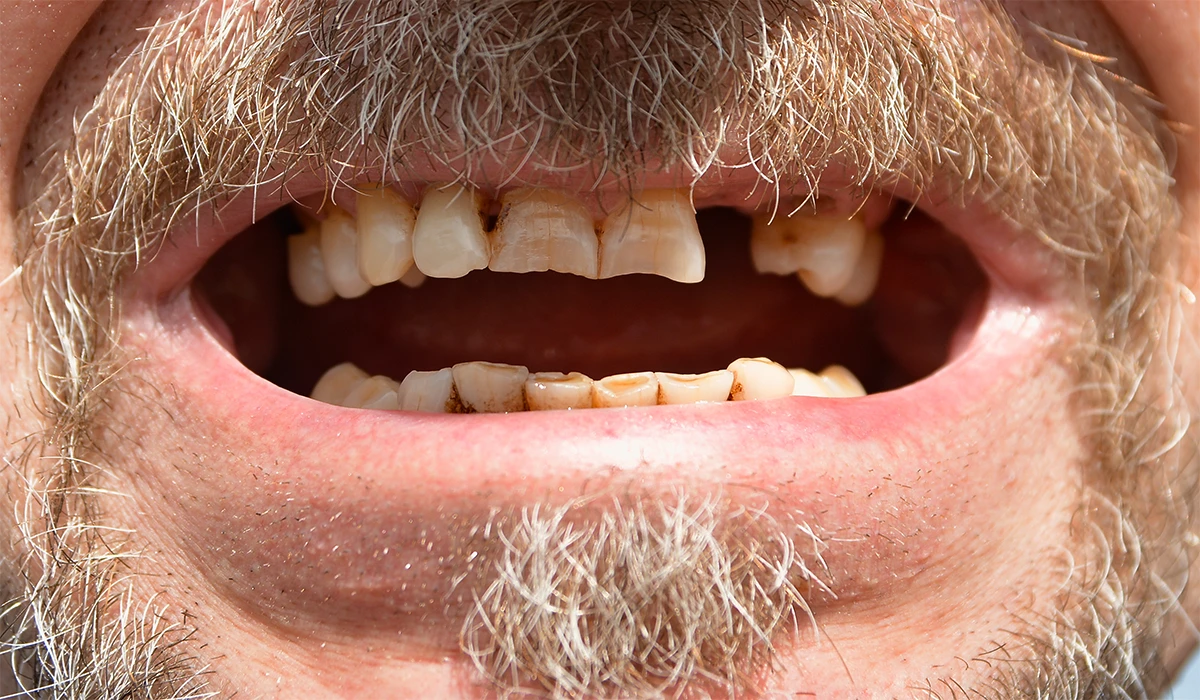
Dental implants are biocompatible titanium posts surgically inserted into the jawbone to replace the root of a missing tooth. These posts serve as a sturdy foundation for custom-made crowns, bridges, or dentures. The process involves a series of steps, beginning with a thorough assessment of the patient’s oral health, followed by the surgical placement of the implant, and culminating in the attachment of the prosthetic tooth. The key to their success lies in osseointegration, a natural process where the implant fuses with the jawbone, ensuring stability and longevity.
The Components of a Dental Implant
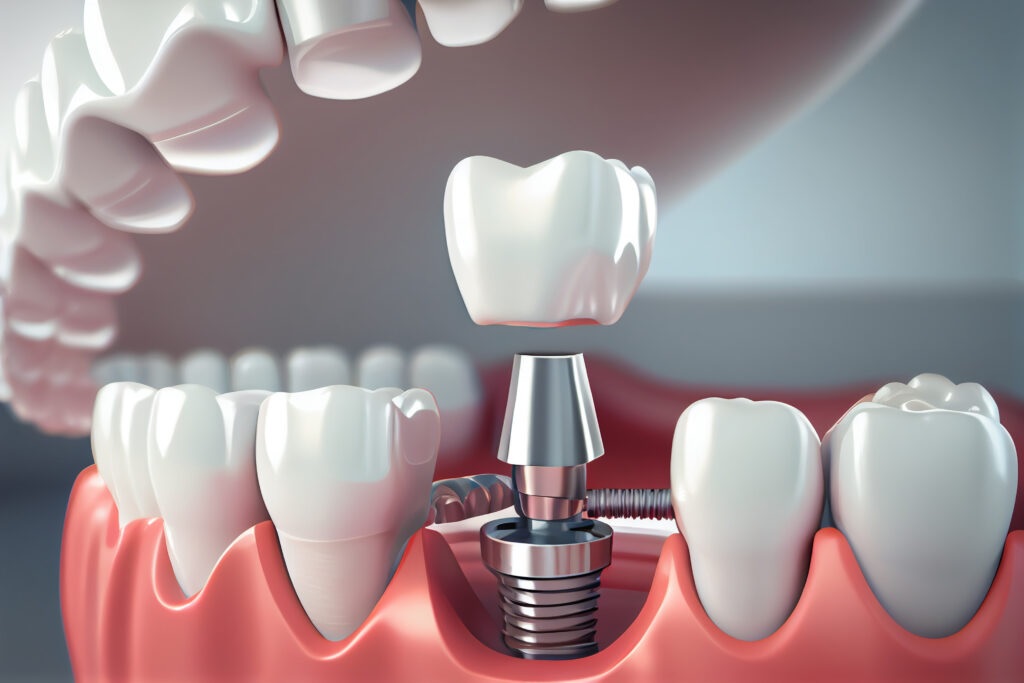
A typical dental implant consists of three main components: the implant post, the abutment, and the crown. The implant post is the anchor that integrates with the jawbone, while the abutment connects the post to the crown, which is the visible part of the implant designed to mimic the appearance of a natural tooth. Each component is meticulously crafted to ensure optimal function and aesthetics.
| Component | Material | Function |
|---|---|---|
| Implant Post | Titanium | Acts as the root of the tooth |
| Abutment | Titanium/Zirconia | Connects implant to crown |
| Crown | Porcelain/Ceramic | Mimics natural tooth appearance |
The Benefits of Dental Implants: Why They Stand Out
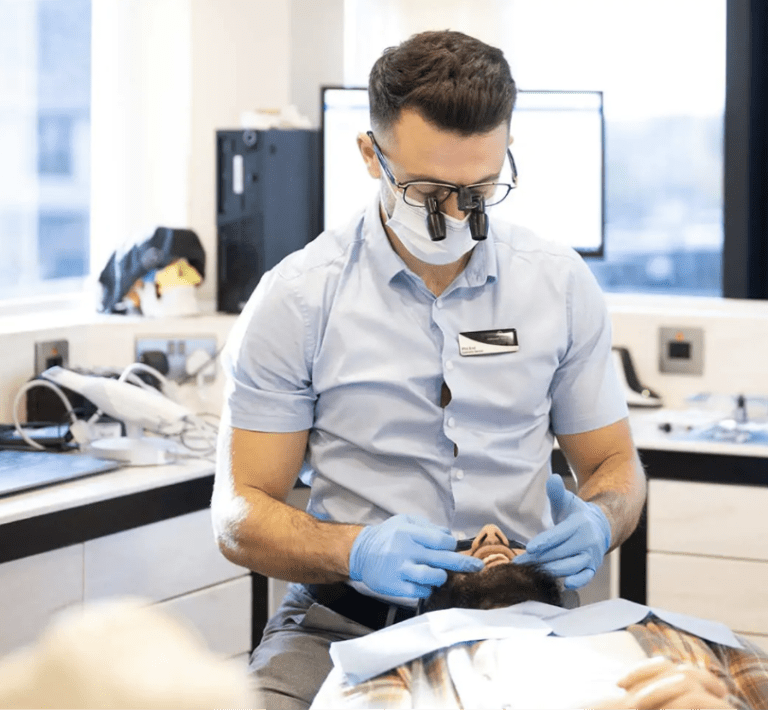
Dental implants offer a multitude of advantages over traditional tooth replacement options. Their permanence, natural appearance, and ability to prevent bone loss make them a preferred choice for both patients and dentists. Below are some key benefits:
1. Permanence and Durability
Unlike dentures or bridges, which may require frequent adjustments or replacements, dental implants are designed to last a lifetime with proper care. Their high success rate, often exceeding 95%, underscores their reliability as a long-term solution. Regular oral hygiene practices, such as brushing, flossing, and routine dental check-ups, are essential to maintaining their longevity.
2. Natural Look and Feel
One of the most appealing aspects of dental implants is their ability to replicate the look and feel of natural teeth. The custom-designed crowns are meticulously matched to the patient’s existing teeth in terms of color, shape, and size, ensuring a seamless blend with the natural dentition. This aesthetic advantage boosts confidence and enhances the patient’s overall quality of life.
3. Preservation of Jawbone and Facial Structure
Tooth loss can lead to bone resorption, a process where the jawbone begins to deteriorate due to lack of stimulation. Dental implants mimic the function of natural tooth roots, providing the necessary stimulation to maintain bone density. This not only preserves the jawbone but also prevents facial sagging, a common consequence of prolonged tooth loss.
4. Improved Oral Functionality
Dental implants restore the ability to chew and speak with ease, unlike dentures, which can slip or cause discomfort. Their stability allows patients to enjoy a diverse diet without restrictions, promoting better nutrition and overall health. Additionally, implants do not require altering adjacent teeth, as is the case with traditional bridges, preserving the integrity of the natural dentition.
The Dental Implant Procedure: A Step-by-Step Guide
The journey to receiving dental implants involves several stages, each requiring precision and expertise. From the initial consultation to the final placement of the crown, the process is tailored to meet the unique needs of each patient.
1. Initial Consultation and Planning
The first step involves a comprehensive evaluation of the patient’s oral health, including X-rays, CT scans, and impressions. This allows the dentist to assess bone density, identify any underlying issues, and devise a customized treatment plan. Factors such as overall health, lifestyle, and the patient’s expectations are also considered during this phase.
2. Implant Placement Surgery
Under local anesthesia, the dentist surgically places the implant post into the jawbone. This minimally invasive procedure typically takes 1-2 hours, depending on the number of implants being placed. Following surgery, patients are advised to follow post-operative care instructions, including avoiding hard foods and maintaining oral hygiene, to ensure proper healing.
3. Osseointegration and Healing
After implant placement, a healing period of 3-6 months is required for osseointegration to occur. During this time, the implant fuses with the jawbone, providing a stable foundation for the prosthetic tooth. Temporary restorations may be provided to maintain aesthetics and function during the healing phase.
4. Abutment Placement and Crown Attachment
Once osseointegration is complete, a minor procedure is performed to attach the abutment to the implant post. Impressions are then taken to create a custom crown, which is fabricated in a dental laboratory. The final crown is cemented or screwed onto the abutment, completing the restoration process.
Comparative Analysis: Dental Implants vs. Traditional Options
To fully appreciate the value of dental implants, it’s essential to compare them with traditional tooth replacement options such as dentures and bridges. The table below highlights the key differences:
| Aspect | Dental Implants | Dentures | Bridges |
|---|---|---|---|
| Longevity | Lifetime with care | 5-10 years | 10-15 years |
| Bone Preservation | Yes | No | No |
| Aesthetics | Natural appearance | Less natural | Natural, but alters adjacent teeth |
| Functionality | Excellent | Moderate | Good |
| Maintenance | Regular oral hygiene | Daily removal and cleaning | Special flossing required |
Real-World Examples: Transformative Impact of Dental Implants
The transformative impact of dental implants is best illustrated through real-life examples. Consider the case of a 55-year-old patient who had been wearing dentures for over a decade. Constant discomfort and difficulty eating led her to seek a more permanent solution. After undergoing dental implant surgery, she reported a significant improvement in her quality of life, noting enhanced confidence and the ability to enjoy her favorite foods without restrictions.
Future Implications: The Evolving Landscape of Dental Implants
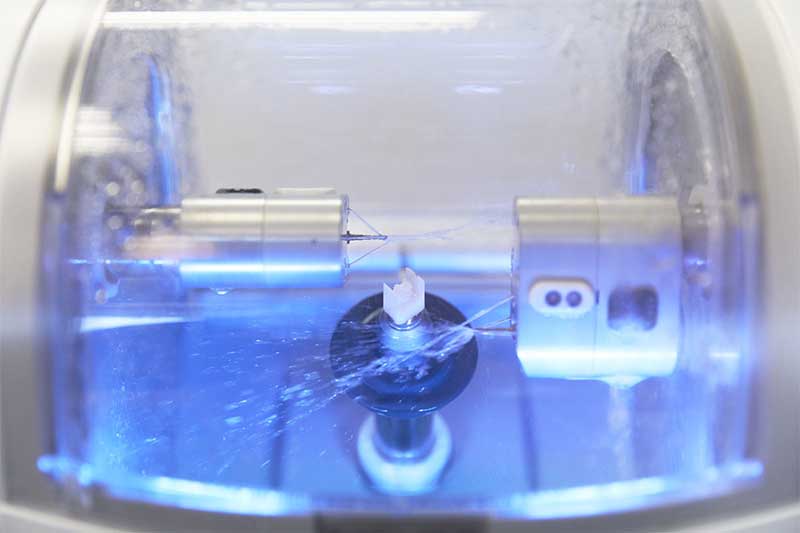
As technology continues to advance, the future of dental implants looks promising. Innovations such as 3D printing, computer-guided surgery, and bioactive materials are poised to revolutionize the field, making the procedure more efficient, precise, and accessible.
1. 3D Printing and Customization
The use of 3D printing technology allows for the creation of highly customized implants tailored to the patient’s unique anatomy. This not only improves the fit and function of the implant but also reduces the risk of complications.
2. Computer-Guided Surgery
Computer-guided implant surgery utilizes advanced imaging and software to plan and execute the procedure with unparalleled precision. This minimizes the risk of errors and ensures optimal placement of the implant, leading to better outcomes.
3. Bioactive Materials and Surface Treatments
Research into bioactive materials and surface treatments aims to enhance osseointegration and reduce healing time. These advancements could potentially make dental implants an even more attractive option for patients with compromised bone density.
How long do dental implants last?
+
With proper care, dental implants can last a lifetime. Regular oral hygiene and routine dental check-ups are essential to ensure their longevity.
Are dental implants painful?
+
The procedure is performed under local anesthesia, so patients typically experience minimal discomfort during surgery. Post-operative pain is manageable with prescribed medications.
Can anyone get dental implants?
+
Most adults with good general health and sufficient bone density are candidates for dental implants. However, conditions like uncontrolled diabetes or severe gum disease may require additional considerations.
How much do dental implants cost?
+
The cost of dental implants varies depending on factors such as the number of implants needed, the complexity of the case, and geographic location. On average, a single implant can range from 3,000 to 6,000, including the crown.
What is the success rate of dental implants?
+
Dental implants have a high success rate, typically exceeding 95%. Proper patient selection, skilled surgical technique, and diligent aftercare contribute to their success.
