
In today's rapidly evolving global landscape, the demand for exceptional leadership in command and control roles has never been more critical. Whether in military, law enforcement, emergency services, or corporate security, the ability to make informed decisions under pressure is a cornerstone of effective leadership. Accredited Command Staff Colleges have emerged as pivotal institutions in shaping the next generation of leaders, offering specialized training that combines theoretical knowledge with practical application. These programs are designed to equip professionals with the skills necessary to navigate complex scenarios, manage teams, and ensure operational success.
The importance of accredited command staff education cannot be overstated. Unlike generic leadership courses, these programs are tailored to the unique challenges faced by command staff. They delve into topics such as strategic planning, crisis management, communication protocols, and ethical decision-making. By focusing on real-world scenarios, participants gain actionable insights that can be immediately applied in their respective fields. Moreover, accreditation ensures that the curriculum meets rigorous standards, providing graduates with a credential that is widely recognized and respected across industries.
For professionals seeking to elevate their careers, enrolling in an Accredited Command Staff College is a strategic investment. Not only does it enhance leadership capabilities, but it also opens doors to advanced roles and responsibilities. In the following sections, we will explore the key components of these programs, their benefits, and how they stand out in the realm of leadership education.
Core Components of Accredited Command Staff College Programs
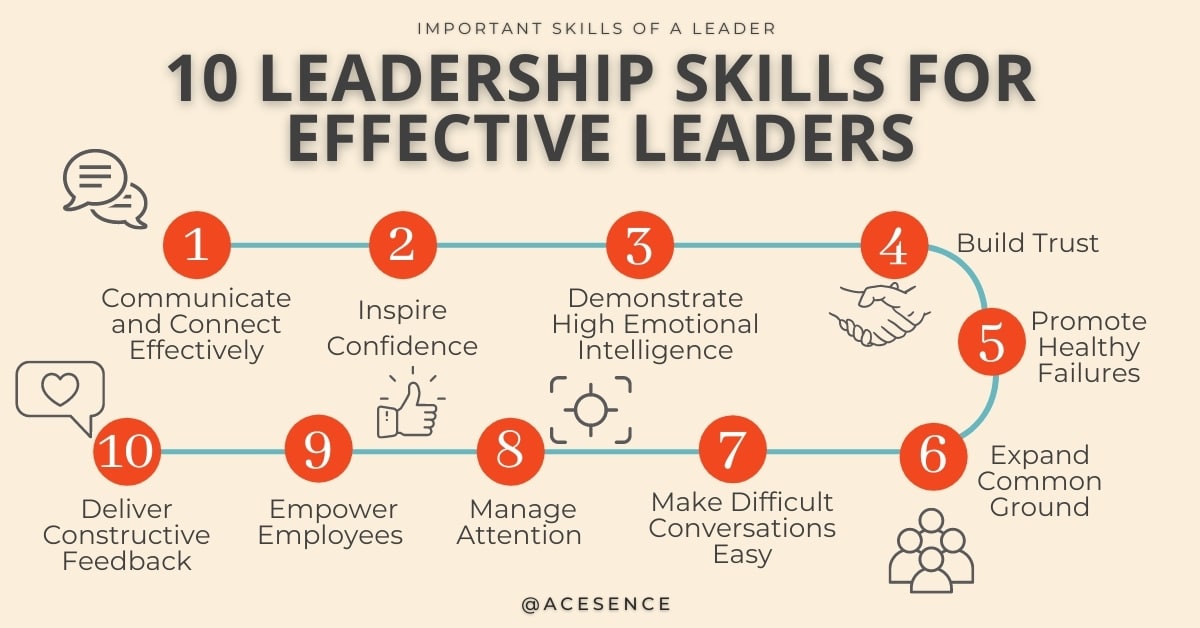
Accredited Command Staff College programs are structured to provide a comprehensive learning experience, blending academic rigor with hands-on training. Below are the core components that make these programs highly effective:
Strategic Leadership Development
At the heart of every command staff program is strategic leadership development. Participants learn to analyze complex situations, formulate strategies, and execute plans with precision. This involves studying case studies of historical and contemporary command scenarios, allowing students to understand the nuances of decision-making in high-stakes environments. For instance, the Battle of Midway is often analyzed for its strategic brilliance, offering lessons in intelligence utilization and resource allocation.
Crisis and Emergency Management
Effective management of crises is a critical skill for command staff. Accredited programs dedicate significant time to crisis and emergency management, teaching participants how to respond to unforeseen events, from natural disasters to terrorist attacks. Simulations and tabletop exercises are commonly used to replicate real-world crises, enabling students to practice their decision-making skills in a controlled environment. These exercises often involve multi-agency coordination, highlighting the importance of collaboration and communication.
Communication and Team Dynamics
Clear and concise communication is essential for any command role. Programs emphasize the development of communication skills, focusing on how to convey complex information to diverse audiences, including subordinates, peers, and superiors. Additionally, understanding team dynamics is crucial for fostering cohesion and morale. Courses often include modules on conflict resolution, motivational techniques, and cultural sensitivity, ensuring leaders can effectively manage multicultural teams.
Ethical and Legal Considerations
Command staff must navigate a myriad of ethical and legal challenges. Accredited programs provide a robust foundation in ethics and law, covering topics such as human rights, use of force, and accountability. Participants learn to balance operational objectives with ethical imperatives, ensuring their actions are both effective and justifiable. Case studies of ethical dilemmas, such as the Abu Ghraib scandal, are dissected to understand the consequences of ethical lapses.
Technology and Innovation in Command
The integration of technology into command operations is transforming the landscape of leadership. Accredited Command Staff Colleges incorporate modules on emerging technologies, such as artificial intelligence, cybersecurity, and data analytics. Students learn how to leverage these tools to enhance decision-making, improve situational awareness, and streamline operations. For example, the use of predictive analytics in law enforcement is explored as a means to anticipate and prevent criminal activity.
| Program Component | Key Focus |
|---|---|
| Strategic Leadership | Decision-making, resource allocation, and strategic planning |
| Crisis Management | Response to natural disasters, terrorist attacks, and other emergencies |
| Communication Skills | Effective conveyance of information to diverse audiences |
| Ethical and Legal Training | Human rights, use of force, and accountability |
| Technology Integration | AI, cybersecurity, and data analytics in command operations |

Benefits of Attending an Accredited Command Staff College

Enrolling in an Accredited Command Staff College offers numerous benefits that extend beyond the classroom. Here are some of the key advantages:
Enhanced Career Prospects
Graduates of accredited programs are highly sought after in both public and private sectors. The credential serves as a testament to their advanced skills and knowledge, making them prime candidates for leadership roles. For instance, in law enforcement, graduates often find themselves on a faster track to positions such as police chief or sheriff. Similarly, in the corporate sector, they are well-positioned for roles in security management and risk assessment.
Network Building
One of the most valuable aspects of attending an Accredited Command Staff College is the opportunity to network with peers and instructors. The diverse cohort often includes professionals from various backgrounds, fostering a rich exchange of ideas and experiences. These connections can prove invaluable throughout one’s career, opening doors to collaborations, mentorships, and job opportunities.
Practical Skills Application
Unlike traditional academic programs, Accredited Command Staff Colleges place a strong emphasis on practical application. Through simulations, case studies, and field exercises, participants gain hands-on experience that prepares them for real-world challenges. This practical focus ensures that graduates are not just theoretically knowledgeable but also operationally competent.
Personal Development
Leadership training at these colleges goes beyond professional skills, fostering personal growth. Participants often find themselves pushed out of their comfort zones, developing resilience, adaptability, and emotional intelligence. These traits are essential for effective leadership and contribute to overall career satisfaction and success.
Comparative Analysis: Accredited Command Staff College vs. Generic Leadership Programs
While generic leadership programs offer valuable insights, Accredited Command Staff Colleges provide a level of specialization and depth that sets them apart. Below is a comparative analysis highlighting the key differences:
Curriculum Focus
Generic leadership programs often cover broad topics such as team management, communication, and decision-making. In contrast, Accredited Command Staff Colleges focus on industry-specific challenges, such as tactical operations, legal frameworks, and crisis management. This specialized curriculum ensures that participants are well-prepared for the unique demands of command roles.
Real-World Application
Accredited programs prioritize real-world application, incorporating simulations and case studies that mirror actual command scenarios. Generic programs, while useful, may lack this level of specificity, making it harder for participants to directly apply what they learn in their professional roles.
Credential Recognition
The accreditation of these colleges ensures that their credentials are widely recognized and respected across industries. Generic leadership certifications, while beneficial, may not carry the same weight, particularly in specialized fields like law enforcement or military command.
Networking Opportunities
The cohort in an Accredited Command Staff College typically consists of professionals from similar fields, fostering a targeted networking environment. In generic programs, the diversity of participants, while enriching, may not provide the same level of industry-specific connections.
| Aspect | Accredited Command Staff College | Generic Leadership Program |
|---|---|---|
| Curriculum Focus | Industry-specific challenges | Broad leadership topics |
| Real-World Application | High, with simulations and case studies | Moderate, less specialized |
| Credential Recognition | Widely recognized in specific industries | General recognition |
| Networking Opportunities | Targeted, industry-specific | Diverse, less focused |
Future Implications of Command Staff Education
As the world becomes increasingly complex, the role of command staff will continue to evolve. Accredited Command Staff Colleges are at the forefront of preparing leaders for these changes, ensuring they are equipped to handle future challenges. Here are some key implications:
Adapting to Technological Advancements
The rapid pace of technological innovation will require command staff to continuously update their skills. Accredited programs are well-positioned to incorporate training on emerging technologies, such as drones, biometric surveillance, and blockchain, ensuring leaders can leverage these tools effectively.
Addressing Global Security Threats
Global security threats, from cyberattacks to pandemics, demand a coordinated response. Command staff education will increasingly focus on international collaboration and multi-agency operations, preparing leaders to work across borders and disciplines.
Emphasizing Ethical Leadership
As societal expectations for transparency and accountability grow, ethical leadership will become even more critical. Accredited programs will continue to emphasize ethical decision-making, ensuring leaders act with integrity and respect for human rights.
Preparing for Unpredictable Challenges
The future is inherently uncertain, and command staff must be prepared for unpredictable challenges. Training will increasingly focus on adaptive leadership, teaching participants how to remain effective in rapidly changing environments.
What makes Accredited Command Staff Colleges different from other leadership programs?
+
Accredited Command Staff Colleges differ by offering specialized, industry-specific training tailored to the unique challenges of command roles, as opposed to generic leadership programs that cover broader topics.
How long does it typically take to complete an Accredited Command Staff College program?
+
Program lengths vary, but most Accredited Command Staff College programs range from several months to a year, depending on the intensity and format of the course.
Are there online options available for Accredited Command Staff College programs?
+
Yes, many Accredited Command Staff Colleges offer online or hybrid programs, providing flexibility for working professionals to balance their studies with career commitments.
What career opportunities can I expect after graduating from an Accredited Command Staff College?
+
Graduates can expect enhanced career prospects in leadership roles within military, law enforcement, emergency services, and corporate security, among other fields.
How do I choose the right Accredited Command Staff College for my needs?
+
Consider factors such as program accreditation, curriculum relevance, faculty expertise, and alumni reviews to choose the best Accredited Command Staff College for your career goals.
